
The Evolution of Poker Analyzer Technology – From Past to Present
The technology behind poker analyzers has undergone a remarkable transformation over the past several decades. What began as crude mechanical devices has evolved into sophisticated electronics that rival modern smartphones in processing power, connectivity, and intelligence. Understanding this evolution provides valuable context for wholesalers, distributors, and end users who want to appreciate the capabilities of current devices and anticipate where the technology is heading next.
The Early Era: Mechanical and Analog Systems
The concept of gaining an advantage in card games through technology is not new. As early as the mid-20th century, inventors experimented with mechanical devices designed to track cards or calculate probabilities. These early systems were large, conspicuous, and limited in their capabilities.
Mechanical card counters were essentially elaborate calculators that required manual input for each card played. The user would press buttons or adjust dials corresponding to observed cards, and the device would display running counts or basic probability calculations. These systems required significant skill and attention to operate, and the information they provided was rudimentary compared to modern analysis.
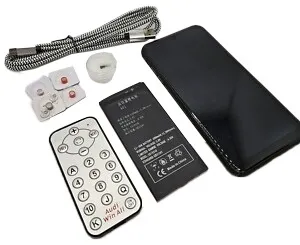
The limitations were severe. There was no way to automatically read cards—every piece of information had to be manually entered. The devices were often large enough to be impractical for covert use. Calculation speed was limited by mechanical mechanisms, providing no real advantage in fast-paced games. Despite these constraints, these early systems demonstrated the fundamental concept that technology could augment human decision-making in card games.
The Electronic Calculator Revolution
The transition from mechanical to electronic systems in the 1970s and 1980s marked the first major leap forward. Programmable calculators, particularly models from manufacturers like Texas Instruments and Hewlett-Packard, could be loaded with card counting and probability algorithms.
These electronic calculators offered several advantages over their mechanical predecessors. They were faster, more accurate, and capable of running complex probability models. Some enthusiasts developed custom programs that tracked every card played and calculated real-time win probabilities for various hands.
However, the fundamental limitation remained: users still had to manually input card information. This created a bottleneck that prevented the technology from delivering truly real-time advantages. The moment a player looked away from the table to enter data, they risked missing crucial information or drawing suspicion.
Size was also an issue. While smaller than mechanical devices, calculators were still recognizable pieces of electronics. Using one at a poker table required elaborate concealment methods, and discovery meant immediate ejection from the game and potentially serious consequences.
The Image Recognition Breakthrough
The true transformation of poker analyzer technology began with the development of miniature image recognition systems in the late 1990s and early 2000s. For the first time, it became possible to automatically capture and process card images without manual input.
Early image recognition analyzers used miniature cameras to capture images of cards as they were dealt. The images were processed by onboard computers that could identify cards based on their visual characteristics. This technology dramatically increased the speed and accuracy of card reading, reducing the time from card deal to result from minutes to seconds.
These early systems were still relatively bulky and required significant power. The cameras were larger, the processing units were separate from the imaging equipment, and battery life was measured in minutes rather than hours. But the fundamental architecture was established: camera input, image processing, and output delivery.
This era also saw the first widespread use of marked cards designed to work with electronic systems. Barcode marked cards, with invisible codes printed along the edges, were developed specifically to be read by these new electronic analyzers. The synergy between card and analyzer created an integrated system that was far more effective than either component alone.
The Smartphone Integration Era
The most significant recent evolution in poker analyzer technology came with the integration of analyzers into smartphone form factors. Beginning around 2010, manufacturers began producing analyzers that looked and functioned like ordinary mobile phones, concealing their true purpose within a familiar, innocuous exterior.
The smartphone integration offered multiple advantages. The device itself—a phone—is a common sight at any poker table. Players routinely check messages, take calls, and use phone applications during games. An analyzer disguised as a smartphone draws far less attention than a standalone electronic device.
Beyond concealment, smartphone integration enabled manufacturers to leverage the rapid advances in mobile technology. Modern smartphones contain powerful processors, high-resolution cameras, and sophisticated wireless capabilities—all of which enhance analyzer performance. The AKK series (A1, A2, A4, A6) exemplifies this approach, running on Android platforms that support advanced image processing and Bluetooth connectivity.
This era also saw the refinement of wireless communication. Early analyzers used wired earpieces that were conspicuous and limited user movement. The adoption of Bluetooth technology allowed results to be transmitted to hidden wireless earpieces, providing a completely wireless and far more discreet user experience.
Key Technological Milestones
Several specific technological achievements have shaped the evolution of poker analyzers into their current form.
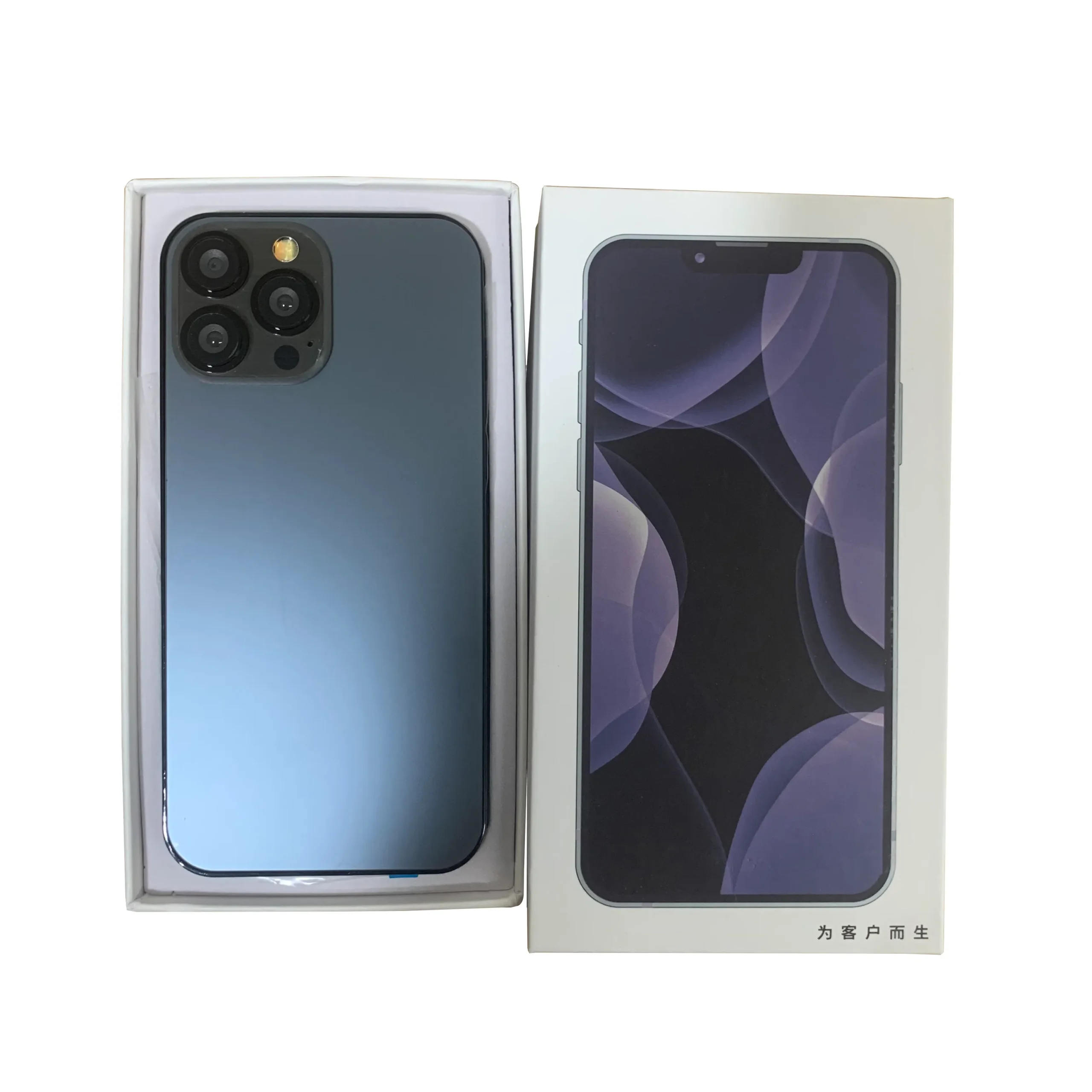
Image Recognition Algorithm Advancement
Early image recognition systems required high-contrast images and struggled with variable lighting conditions. Modern algorithms can accurately identify cards from barcode markings even in suboptimal lighting, at angles, and with partial occlusion. Machine learning techniques have further improved accuracy, with some systems achieving near-perfect recognition rates under standard conditions.
Bluetooth Transmission Speed
Bluetooth technology has evolved from version 1.0, with its slow data rates and frequent disconnections, to modern versions 4.0 and 5.0 that offer high-speed, reliable wireless communication. The transmission of audio results from analyzer to earpiece now occurs in milliseconds, making the system feel instantaneous to the user.
Camera Miniaturization
Camera sensors have shrunk dramatically while maintaining or improving image quality. Modern analyzers can incorporate cameras small enough to be nearly invisible, hidden within the phone body or external scanner housings. This miniaturization enables more device configurations and better concealment.
Battery Technology
Lithium-ion battery improvements have extended operating times from minutes to hours. Modern poker analyzers can operate for an entire gaming session on a single charge, a critical factor for practical usability.
The Current State: AI-Enhanced Analyzers
Today’s poker analyzers represent the convergence of multiple advanced technologies. Devices like the CVK 680 and AKK A6 incorporate high-speed processors, sophisticated image recognition software, and seamless wireless connectivity. Scan speeds of 0.1 seconds are now standard, with accuracy rates that approach reliability suitable for professional use.
Many current models support multiple game types—Texas Hold’em and Omaha being the most common—allowing the same device to serve in various gaming scenarios. External camera scanner options provide flexibility in device positioning and can extend scan range to 45 centimeters or more.
The user interface has also evolved. Modern analyzers feature touchscreens with intuitive configuration menus, allowing users to adjust game settings, scan parameters, and output options without specialized technical knowledge.
Future Technology Trends
Looking ahead, several technological trends are likely to shape the next generation of poker analyzers.
AI and Deep Learning Integration
Artificial intelligence will likely play an increasing role in poker analyzer technology. Deep learning algorithms can improve card recognition accuracy, adapt to different card designs and marking systems, and potentially provide more sophisticated game analysis beyond simple winner prediction. AI could enable analyzers to learn individual playing styles, track player tendencies, and offer more nuanced strategic recommendations.
Augmented Reality Display
Current analyzers rely primarily on audio output through hidden earpieces. Augmented reality (AR) technology could enable visual display of results through smart glasses or other AR devices, providing a more intuitive and information-rich output channel. This could allow multi-player scenarios to be displayed simultaneously, with each player’s hand and win probability shown in real time.
Further Miniaturization
The trend toward smaller, more integrated devices will continue. Future analyzers may be built directly into ordinary objects such as watches, jewelry, or clothing, eliminating the need for any phone-like device. The ultimate goal is a system that is completely invisible under casual observation.
Extended Battery Life
Battery technology continues to improve, with solid-state batteries and other innovations on the horizon. Future poker analyzers may operate for days on a single charge, eliminating one of the primary practical limitations of current devices.
Enhanced Multi-Device Ecosystems
Future systems may incorporate multiple coordinated devices—scanners, processors, output devices, and visualization tools—communicating seamlessly to provide comprehensive analysis. The pokeranalyzershop.com visualization tablet system represents an early example of this trend, with analysis results displayed on a separate tablet screen for team-based use.
The Changing Industry Landscape
The poker analyzer industry has evolved from a niche market serving a small number of technically sophisticated users to a global industry with established manufacturers, distributors, and service providers. Competition has driven innovation while also increasing quality standards and customer expectations.
Wholesalers and distributors entering this market today benefit from mature technology, reliable supply chains, and established best practices. However, they also face higher customer expectations and the need to stay current with rapidly advancing technology.
Understanding the history of poker analyzer technology provides perspective on how far the industry has come and where it may be headed. For businesses building a presence in this market, the key is to partner with suppliers who are committed to staying at the forefront of technological advancement while maintaining the quality and reliability that customers demand.
Frequently Asked Questions
When did poker analyzers first become electronic?
Electronic poker analyzers began appearing in the 1970s and 1980s, using programmable calculators that could run card counting algorithms. However, these early systems required manual card input. True automatic electronic analyzers with image recognition emerged in the late 1990s and early 2000s.
What was the biggest breakthrough in poker analyzer technology?
The integration of analyzers into smartphone form factors is widely considered the most significant breakthrough. Smartphones provide a common, innocuous appearance, powerful processors, high-quality cameras, and wireless connectivity—all essential features for modern analyzers.
How fast are modern poker analyzers compared to older models?
Early electronic analyzers could take several seconds to process a card and deliver a result. Modern devices like the AKK A6 and CVK 680 can scan and analyze cards in approximately 0.1 seconds, providing near-instantaneous feedback to the user.
Will AI change how poker analyzers work?
Artificial intelligence has significant potential to enhance poker analyzer capabilities. Deep learning algorithms could improve recognition accuracy, adapt to new card designs, and provide more sophisticated analysis beyond simple winner prediction. AI integration is likely to be a major trend in the next generation of devices.
What will future poker analyzers look like?
Future analyzers will likely continue to shrink in size, possibly becoming invisible within everyday objects like watches or eyewear. Battery life will extend significantly, and output methods may evolve to include augmented reality displays. The core functions—scanning cards and delivering results—will remain, but the technology will become more integrated, reliable, and discreet.